Why Every College Station Farm Needs a Durable Fence | Protect Your Land
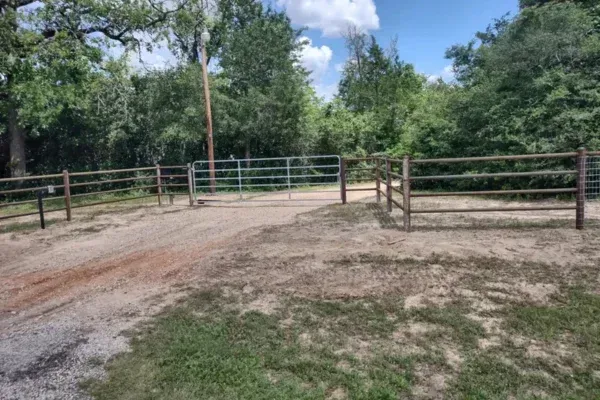
Farming in College Station, TX, comes with its fair share of challenges. If you’ve spent any time tending land or raising livestock here, you already know how quickly things can get out of hand without the right infrastructure in place. Stray cattle, roaming deer, or even your neighbor’s curious pets can cause costly problems. That’s why a durable farm fence in College Station isn’t just a luxury—it’s a necessity.
When you think about how much work, time, and money you’ve invested into your property, protecting it with the right fence just makes sense. And in a community like College Station, where agriculture has always been woven into the lifestyle, fencing plays a huge role in preserving that tradition.
Let’s dig into why a durable fence matters, the types of fences best suited for our region, what local homeowners should know about installation and upkeep, and how investing in quality fencing today can save you serious headaches down the road.
The Role of Farm Fences in College Station
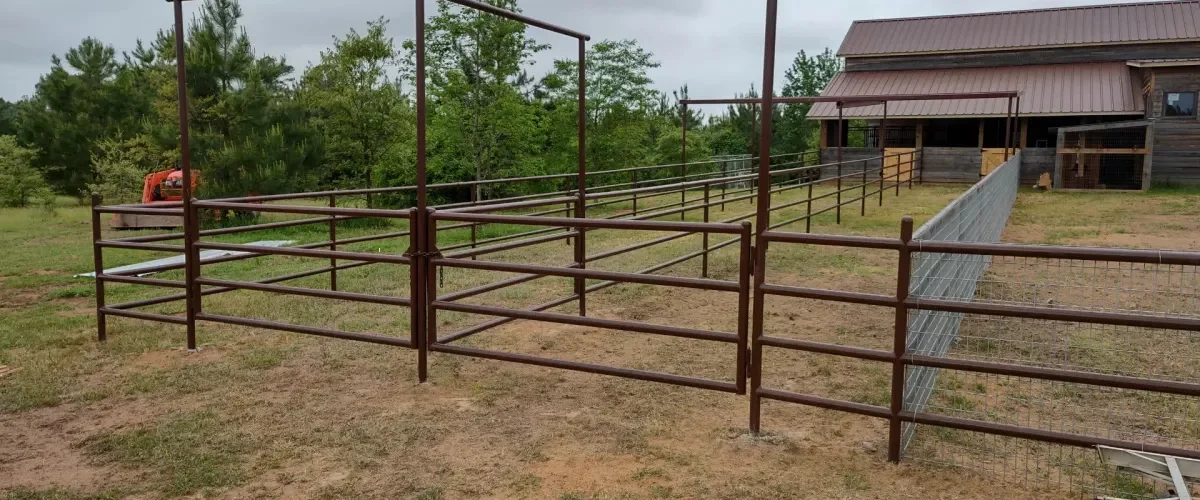
In College Station, fences aren’t just about marking boundaries. They serve multiple roles:
Protecting livestock – Keeping your animals safe from predators and preventing them from wandering onto roads.
Safeguarding crops – Blocking deer, feral hogs, and other wildlife that could wipe out your fields overnight.
Defining property lines – Avoiding disputes with neighbors and ensuring you’re maximizing the space you own.
Boosting property value – A well-installed, durable fence adds curb appeal and functionality.
Because College Station sits in the heart of Texas ranching country, fencing has always been essential. Our hot summers, occasional heavy rains, and clay-rich soils mean that choosing the right type of fence—and installing it correctly—makes all the difference in how long it lasts.
Why Durability Matters
If you’ve ever patched up a flimsy fence after a storm, you already understand why strength is key. Durable fencing in College Station must be able to:
Withstand local weather – From scorching heat to sudden downpours, materials here face constant stress.
Hold up against livestock – Cows, horses, and goats aren’t gentle. A weak fence won’t last long.
Resist soil movement – Our expansive clay soils shift with moisture, putting extra strain on posts.
Deter wildlife – Feral hogs are notorious in Brazos County. They’ll tear through anything that isn’t built tough.
A durable fence isn’t just about peace of mind—it saves you money over time by reducing repair costs and extending the lifespan of your investment.
Common Types of Farm Fences in College Station
You’ve got options when it comes to fencing, and each has its pros and cons depending on your property’s needs.
Barbed Wire Fencing
A classic in Texas ranching, barbed wire is inexpensive and effective for containing cattle. However, it’s less ideal if you’re managing smaller livestock like goats or sheep.
Woven Wire Fencing
Often called “field fence,” this option provides tighter spacing to keep smaller animals in and wildlife out. It’s durable and versatile.
Electric Fencing
Great as a deterrent, electric fencing is often used in combination with other types. It’s especially effective for rotational grazing systems.
Wooden Post and Rail Fencing
If aesthetics matter to you, post and rail fences are both functional and attractive. They’re common for horses and add a traditional ranch-style look.
High-Tensile Wire Fencing
This option uses smooth, high-strength wire and can last for decades with minimal maintenance. It’s also flexible for uneven terrain.
Local Factors That Impact Fence Choice
When choosing a fence in College Station, you’ll want to think beyond just cost. Local factors like these play a big role in decision-making:
Soil conditions – Clay expands and contracts, so posts must be set deep and secured properly.
Wildlife pressure – Deer and hogs are major concerns in Brazos Valley.
Regulations – If your farm borders a public road, you’ll need to meet certain fencing requirements. Check resources like Texas Department of Transportation.
Community history – College Station’s roots are in agriculture, and many property owners aim to maintain traditional fencing styles that fit the landscape.
Maintenance Tips for Long-Lasting Fences
Even the most durable fence will fail if it’s ignored. Here are a few tips to keep yours in top shape:
Inspect your fence line at least twice a year, especially after heavy storms.
Clear brush and weeds regularly to reduce pressure on wires.
Tighten sagging lines as soon as you notice them.
Replace broken posts quickly before they compromise the whole section.
Treat wooden posts against termites and rot.
By keeping up with small repairs, you’ll avoid major replacements later.
Best Farm Fence Manufacturers
Choosing the right materials makes all the difference. The best farm fence manufacturers are known for durability, reliability, and products tailored for agricultural use.
Red Brand – Trusted for strong woven wire that holds up against livestock and wildlife.
Bekaert – Known for high-tensile fencing options that last for decades with minimal upkeep.
Stay-Tuff – Specializes in fixed-knot fencing, perfect for keeping feral hogs out.
Oklahoma Steel & Wire – Offers a wide variety of affordable, Texas-friendly fencing products.
Tornado Wire – Popular for premium field fencing and specialized designs for different types of farms.
Why Work With Our Team
We’ve been installing farm fences in College Station for years, and we’ve seen it all—weather challenges, soil shifts, and demanding livestock. Our team is made up of professionals who know how to build fences that last. As with anything in life, you want to work with the best to get the best results. Cutting corners only costs more in the long run.
If you’re ready to get your project tackled by industry experts, give us a call at (936) 777-3159 and let’s get started.
Frequently Asked Questions
What type of fence is best for my farm?
The best fence depends on several factors like the type of animals you’re keeping, the size of your land, and what you’re trying to protect. For example, a woven wire fence or field fences are great for cattle, goats, and sheep because they offer strong containment and protection. If you’re raising poultry or chickens, chicken wire or smaller mesh fencing is a more cost effective option to keep small animals safe. For horses, smooth wire fence or wooden rail fences are often recommended to prevent injury. If you want to protect crops from deer or pests, a deer fence or electric fences can be an excellent choice. Each type of fence is designed for different needs, so we help property owners choose the most durable, long lasting, and sturdy option for their specific project.
How do I know what fence height I need?
Fence height depends on the animals or plants you’re trying to protect. For large livestock like cattle and horses, fences should usually be around 4.5 to 5 feet tall to keep them livestock safe and prevent animals from escaping. Goats and sheep may need slightly taller fencing since they can jump or climb. Deer fences are usually much taller — around 7 to 8 feet — because deer are known to leap over shorter fences. For poultry or small animals, shorter chicken wire or mesh fencing often works fine. We offer various heights for fence installation so that every type of animal and property is covered.
What materials are best for a strong and long-lasting fence?
The right fence materials make a big difference in durability and stability. Galvanized wire is often used for woven wire fence, barbed wire, and electric fences because it resists rust and harsh weather conditions. Wood posts are a classic choice that offer extra support and a natural look, but metal t posts are more heavy duty and require less maintenance. Combining wood and wire often gives you the most robust construction. If you’re looking for lightweight but strong options, we can recommend other types of fence materials suited to your location, land, and animals.
How much does fence installation cost?
The cost of fence installation depends on several factors, including the type of fence, the material used, the location of your farm or yard, the length of the property boundaries, and how much digging and labor is involved. Barbed wire and woven wire fences are often more cost effective than decorative wood or vinyl options, while electric fences can be more affordable if you’re fencing a large area. We’ll help you plan a project that fits your budget without sacrificing quality or safety.
How long does installation usually take?
Installation time depends on the size of your farm, the terrain, the type of fence, and how many posts and gates are needed. A small yard or garden fence might be completed in a day, while a large property with multiple sections, field fences, or deer fence could take several days. Digging, setting posts, and attaching wire or mesh all require careful work to ensure stability and robust construction. We always aim to finish your installation as quickly and efficiently as possible without cutting corners.
Can I install the fence myself, or should I hire professionals?
Some property owners choose to install simple chicken wire or barbed wire fences themselves, especially for small gardens or cages. However, larger projects — especially those involving large livestock, horses, or deer — often require professional help to ensure proper structure, safety, and containment. We handle everything from digging and placing wood posts or t posts to attaching wire securely. A professionally constructed fence usually lasts longer and stands up better to pressure from animals and harsh weather conditions.
How do I maintain my fence over time?
Regular maintenance keeps your fence strong and long lasting. Check for loose wire, broken posts, or sagging sections, especially after storms or heavy winds. Replace damaged wood posts or t posts as needed and tighten any loose mesh or barbed wire. Galvanized materials help prevent rust, but occasional cleaning and inspections go a long way. Keeping weeds and brush away from your fence line also helps maintain its durability and prevents pests from damaging it.
Can your fences help protect crops and gardens too?
Absolutely! Our fence installation isn’t just for farm animals — we also build fences to protect crops, gardens, and property boundaries. A deer fence can keep wildlife from eating plants, while chicken wire or mesh can keep small animals out of vegetable beds. Electric fences are an excellent choice for large fields, as they prevent animals from entering while keeping livestock safe inside. Whether it’s for poultry, crops, or property, we offer various types of fencing designed to keep everything covered and protected.
Final Thoughts
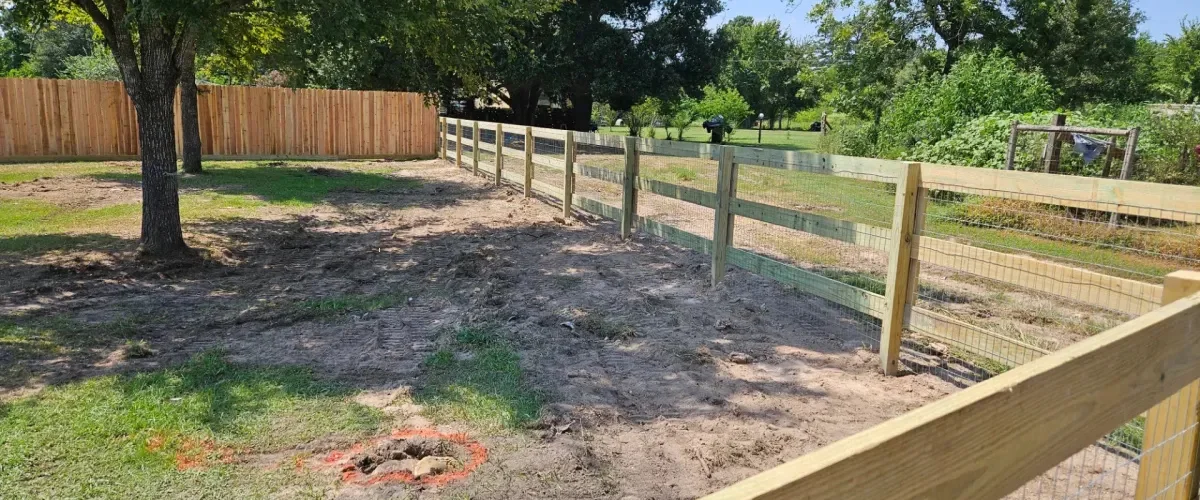
A durable farm fence in College Station is one of the smartest investments you can make as a property owner. It protects your livestock, secures your land, and keeps local wildlife where they belong. With the right materials, proper installation, and regular maintenance, your fence will serve you for decades.
If you’re serious about getting a fence that works as hard as you do, contact Branded Fence Exchange today at (936) 777-3159. We’ll help you design and build a fence that fits your property perfectly.


